TDI and MDI identify two polyurethane chemistry routes used to make cast anvil covers. Both can be engineered for abrasion resistance, resilience and repeated die impact. The correct choice depends on the complete formulation, production process and operating conditions, not the isocyanate name alone.
For JUNSHIDA anvil covers, the practical difference is the intended service route: TDI Blue for established routine production, or MDI Gray when a longer replacement interval is the priority.
Choose TDI Blue when
You need a proven routine-production option, a lower entry cost and a predictable replacement plan.
Choose MDI Gray when
You run higher cycles, downtime is costly and a longer service-life reference can justify the higher material route.
First, understand what TDI and MDI mean
TDI and MDI are aromatic diisocyanates used as building blocks in polyurethane elastomers. They do not define performance by themselves. Polyol type, chain extender, hardness, cure control, part geometry and processing quality also influence the finished cover.
This is why a buyer should compare the supplier's finished series, quality control and application experience instead of assuming that every TDI or MDI cover performs identically.
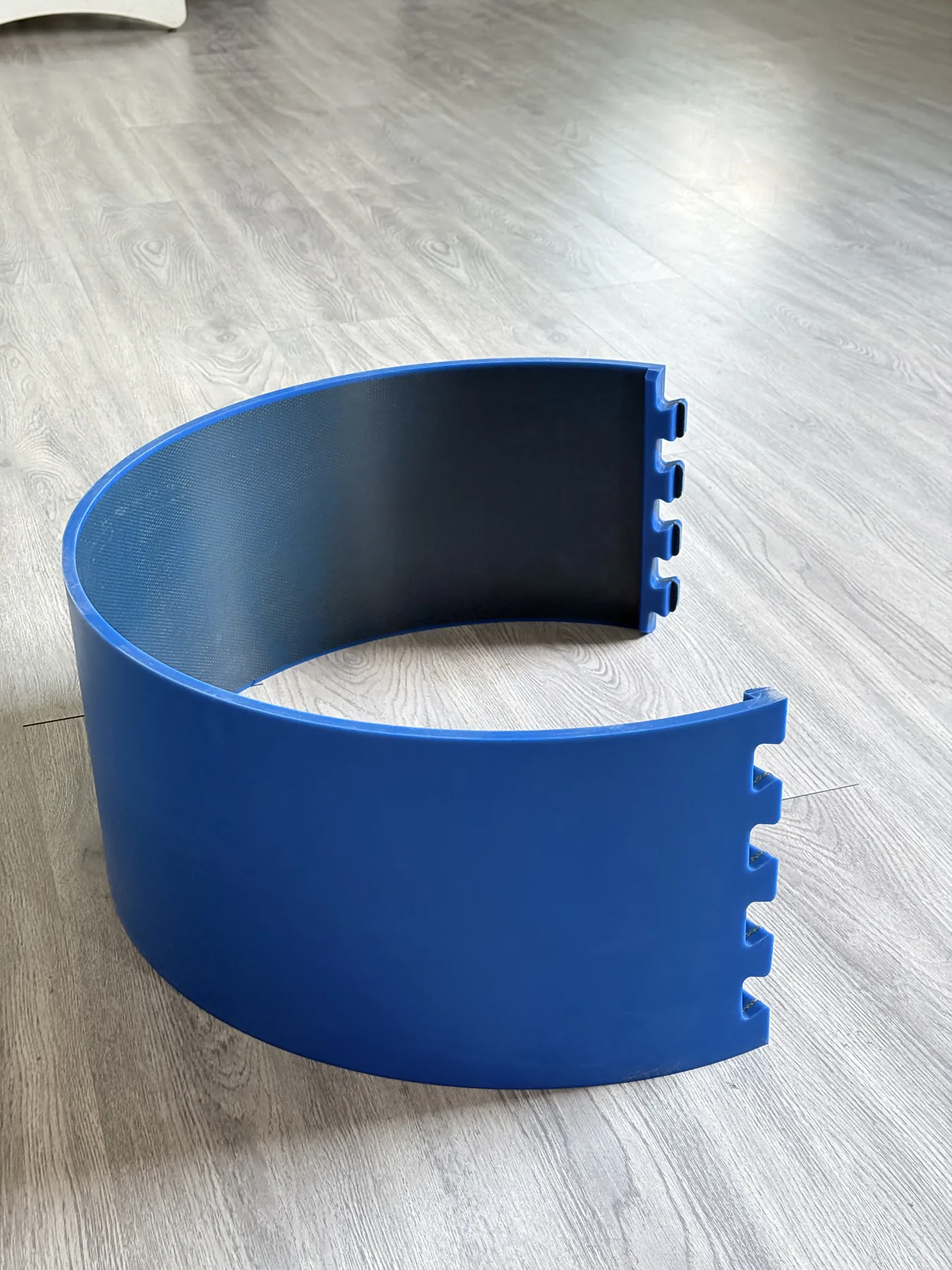
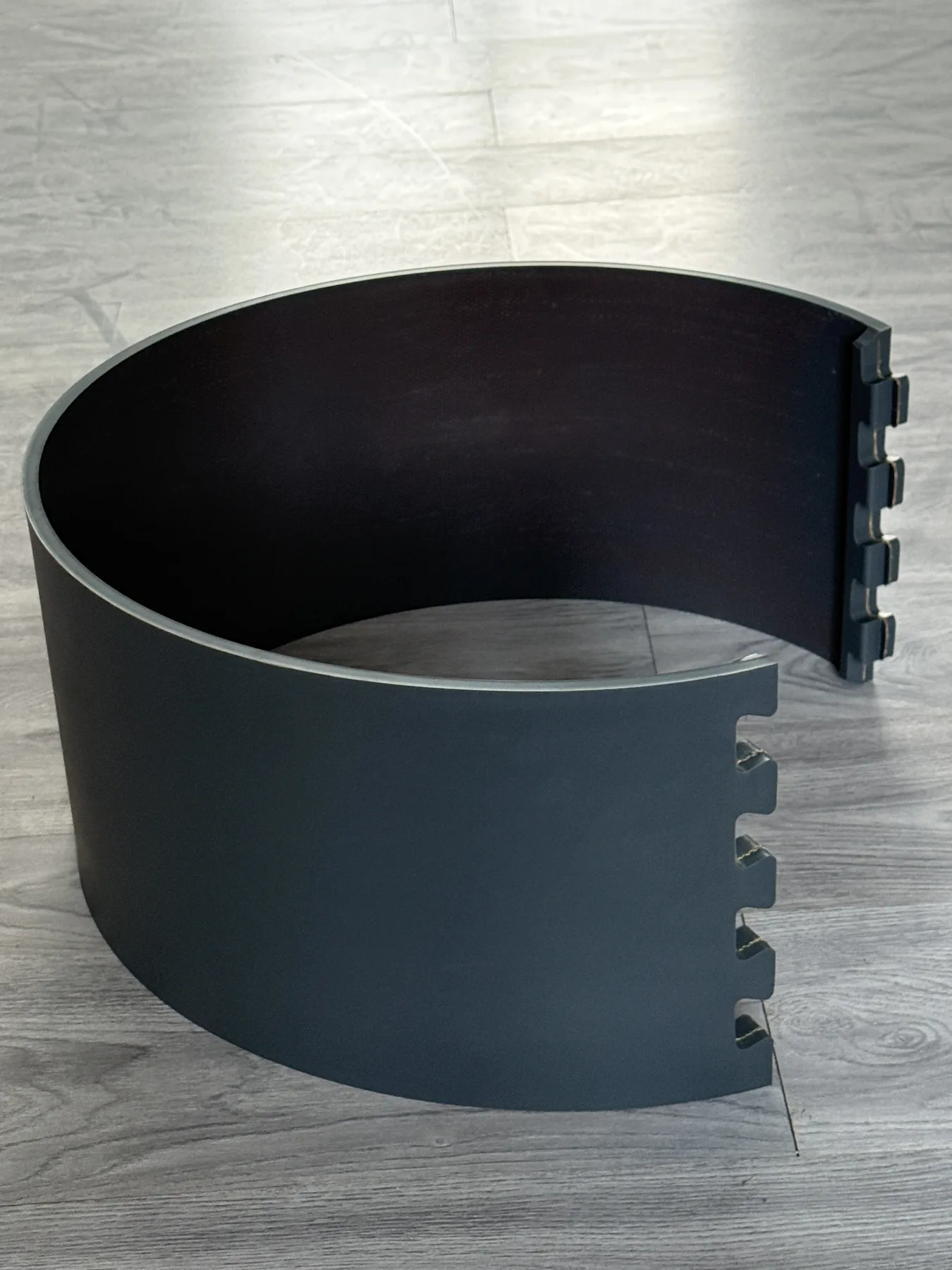
Important: blue and gray are JUNSHIDA series identifiers. Color alone is not a universal test for TDI or MDI chemistry. Confirm the material route with the supplier.
Practical comparison for rotary die cutting
| Decision factor | TDI Blue | MDI Gray |
|---|---|---|
| Typical production route | Routine rotary die-cutting production | Higher-cycle production requirements |
| JUNSHIDA reference life | Approximately 3 million cutting cycles | Approximately 7 million cutting cycles |
| Replacement planning | Regular planned replacement | Longer interval is the priority |
| Cost focus | Lower initial material route | Lower downtime and cost per useful cycle |
| Machine fit | Width, thickness, hardness, grooves and locking structure must match the machine | |
The cycle figures are typical references, not fixed guarantees. Actual life changes with die condition, cutting pressure, board, machine settings, cover rotation and maintenance.
Five questions that lead to the right choice
How many cutting cycles do you run?
Estimate cycles per shift and the interval between cover changes. A higher-cycle plant has more opportunity to recover the additional cost of MDI through fewer planned replacements.
How expensive is a cover change?
Include stopped production, technician time and restart checks. If downtime is more expensive than the cover itself, the longer-service route deserves closer consideration.
Are current covers wearing evenly?
Uneven wear may indicate pressure, die, rotation or alignment problems. Changing from TDI to MDI cannot correct a machine setup issue.
Does the machine require a specific construction?
Material and locking structure are separate decisions. Confirm whether the cylinder uses steel-backed, finger-lock or another machine-specific connection before quotation.
Is the current TDI result already economical?
If routine TDI covers reach the planned interval with stable cut quality, there may be no operational reason to change. Upgrade when the extra service interval has measurable value.
Information to send for a technical review
- Machine brand and model
- Cover width, thickness and total cylinder diameter
- Locking structure and clear photos of both ends
- Current material or series, if known
- Typical cycles per shift and current replacement interval
- Board type, cutting pressure and any uneven-wear problem
Selection summary
Choose TDI Blue for reliable routine production and controlled initial cost. Consider MDI Gray when production volume is higher and reducing replacement frequency can offset the additional material cost. In both cases, correct dimensions, hardness, lock fit and machine setup remain essential.